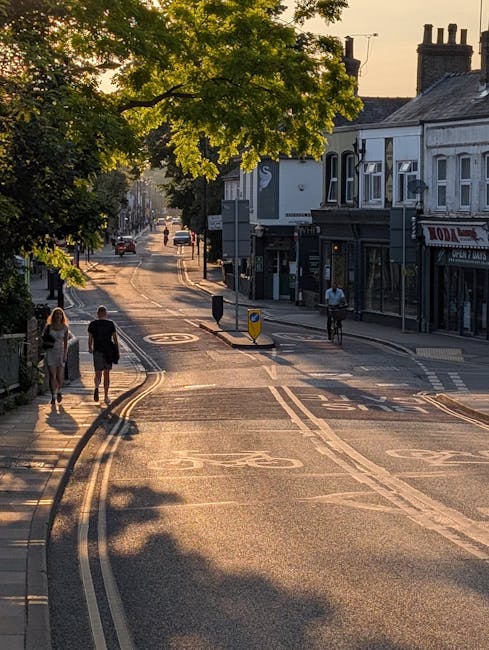
Trusted gardeners on Bow Road for period terraces
If you own a period terrace near Bow Road, you already know the garden is never just "the bit at the back." It is part of the house's character. A small front strip, a narrow rear yard, a walled courtyard, an old brick path that holds rain after a downpour - these spaces need care that is a little more thoughtful than a standard mow-and-go visit. That is why people look for trusted gardeners on Bow Road for period terraces: not just someone who can tidy beds, but someone who understands older homes, tighter access, layered planting, and the practical realities of East London weather.
This guide walks through what trusted terrace gardening actually means, how to choose the right help, what good work looks like, and the common mistakes that can quietly spoil a period garden. If you are trying to decide whether to book a one-off visit, a regular maintenance plan, or a more careful restoration of an overgrown space, you will find a clear route here. And yes, we will keep it practical.
One quick note: period terraces can look deceptively simple from the street. They are often anything but.
For readers who want a broader look at regular upkeep, you may also find value in garden maintenance and landscaping where the work goes beyond routine tidying and into more structured improvement.
Table of Contents
- Why trusted gardeners for period terraces matters
- How trusted gardening support works
- Key benefits and practical advantages
- Who this is for and when it makes sense
- Step-by-step guidance
- Expert tips for better results
- Common mistakes to avoid
- Tools, resources and recommendations
- Law, compliance, standards, or best practice
- Options, methods, or comparison table
- Case study or real-world example
- Practical checklist
- Conclusion
- Frequently asked questions
Why Trusted gardeners on Bow Road for period terraces Matters
Period terraces have a particular charm: original brickwork, narrow plots, modest frontage, often mature trees nearby, and planting spaces that must work hard without looking overdone. The garden is usually visible from the street, so small details matter. A hedge cut too hard, a climber tied badly, or a path edged with the wrong tool can change the character of the whole property. That is the real reason trust matters here.
On Bow Road, you also have a very London mix of conditions: shade from neighbouring buildings, compact outdoor areas, wind tunnels between properties, patchy soil, and the occasional "how did that weed get in here?" moment after a wet week. A trusted gardener notices those things quickly. More importantly, they make sensible choices about what to leave, what to lift, and what to improve without flattening the garden's personality.
For period homes, there is often an added layer of caution. Old walls may need soft planting rather than aggressive climbers. Mature shrubs may be part of the property's history and worth shaping rather than replacing. Terraces with basement light wells, front steps, and original paving can be easily damaged if someone works too fast or uses the wrong method. In other words, the cheapest option can be the expensive one later. Bit of a nuisance, but true.
Practical takeaway: the best gardener for a period terrace is not simply the quickest or the most enthusiastic. It is the person who can balance neatness, plant health, historic character, and everyday practicality in one visit.
In a local context, this also means understanding what a garden needs through the seasons. Spring growth in East London can move fast. Autumn leaf fall can clog narrow paths and drains. Summer dry spells can stress newly planted borders. A reliable gardener plans ahead rather than reacting after the damage is done.
How Trusted gardeners on Bow Road for period terraces Works
Good terrace gardening usually starts with observation, not tools. A proper first visit should include looking at light levels, soil condition, drainage, access, existing planting, boundary walls, and the condition of features such as railings, steps, and edging. That first impression shapes the whole approach. If a gardener immediately starts cutting without asking questions, that is not confidence; it is guesswork.
For a period terrace, the work often falls into a few core tasks:
- regular tidying and pruning to keep growth controlled
- border care to help existing plants thrive in limited space
- careful lawn or hardstanding edging where a small garden still needs definition
- climber management on brick walls, trellises, or fences
- seasonal clean-ups after leaf fall, storms, or fast spring growth
- soil improvement, mulching, and planting adjustments for shadier plots
Trusted gardeners tend to work in a way that respects the structure of the garden. They do not force every terrace into the same formula. A front garden on Bow Road might need tidy symmetry and low-maintenance structure. A back yard might need a softer, more private feel with layered planting. A shared passage might need safe clearance, sensible drainage, and less mess on the paving. The job is to make the space liveable, not just presentable.
Communication matters too. A trustworthy gardener will explain what they are doing and why. If a shrub should be reduced gradually over two seasons rather than hacked back in one go, they should say so clearly. If a climber is damaging mortar, they should point that out before they touch it. If the soil is exhausted, they should talk about compost or mulch, not pretend that a quick trim will fix everything. That honesty is part of the service.
Some homeowners prefer maintenance on a schedule, while others need a one-off refresh before a move, rental check-in, family event, or house viewing. There is no single right answer. The key is matching the level of care to the actual condition of the terrace. Simple enough, though it rarely feels simple when the ivy has had a good year.
Key Benefits and Practical Advantages
Choosing a trusted gardener for a period terrace brings benefits that go beyond appearance. Yes, the garden looks better. But the deeper value is in preserving structure, preventing avoidable damage, and making the space easier to live with week after week.
1. Better protection for older features
Period terraces often include brick walls, decorative edging, original paving, ironwork, and older planting schemes. These features can be fragile in different ways. A careful gardener knows that over-enthusiastic power tools, shallow-rooted climbers, and aggressive digging can all cause problems. A little restraint goes a long way.
2. Less long-term repair work
Regular maintenance usually costs less than recovering a neglected garden. Once a terrace becomes overgrown, there can be hidden damage under the surface: blocked gutters near a rear wall, compacted soil, self-seeded saplings in borders, or paving lifted by roots. Trusted gardeners spot these issues early, which saves money and stress later.
3. More usable outdoor space
In small London gardens, every square metre matters. A clear path, a properly cut border, and a well-managed planting scheme can make a tiny terrace feel twice the size. That is not a miracle. It is just good planning and good maintenance.
4. A better fit for the home's style
Period properties usually look best when the garden feels coherent. That does not mean old-fashioned or formal. It means the planting, materials, and shape of the space feel deliberate. A trusted gardener can help you keep the garden in tune with the house instead of fighting against it.
5. Reduced stress for the homeowner
Let's face it, most people do not want to spend their Saturday morning wrestling with brambles and a half-broken hedge trimmer. A reliable gardener takes that pressure off. And when they show up on time, explain the plan, and leave the place tidy, the whole thing feels easier. Which is the point, really.
| Area of value | What trusted gardeners do | Why it matters on Bow Road terraces |
|---|---|---|
| Plant care | Prune, feed, mulch, and monitor growth | Helps compact gardens stay healthy without overcrowding |
| Structure | Protect walls, paving, and borders | Older features can be damaged by rough work |
| Seasonal planning | Adjust tasks through the year | East London conditions change quickly across seasons |
| Presentation | Keep lines clean and spaces balanced | Important for street-facing period terraces |
| Peace of mind | Communicate clearly and work consistently | Trust matters when access and privacy are involved |
Who This Is For and When It Makes Sense
This kind of gardening service is especially useful if your terrace has character features you want to preserve, not replace. It suits homeowners, landlords, tenants with permission to maintain the space, and anyone preparing a property for sale or rental. It also makes sense if the garden has become a bit of a "we'll deal with that later" space. We have all seen one of those.
You are likely to benefit from trusted help if:
- your front or back garden is narrow, awkward, or shaded
- you have original walls, railings, paving, or historic planting you want to protect
- the garden looks untidy fast, even after a clean-up
- you need regular upkeep but do not want a rigid one-size-fits-all service
- you have overgrown climbers, hedges, or borders that need controlled reduction
- you want the property to look cared for from the street without losing its period feel
This service is also a good fit if you are not entirely sure what the garden needs. Some people know they need "a proper sort-out" but not much more than that. A good gardener can turn that rough brief into a manageable plan. That is a real skill, by the way.
If you are comparing options, it may help to look at broader outdoor improvement services such as garden design if the layout itself needs rethinking, or tree surgery if mature trees are affecting light, roots, or safety. For a terrace, small changes can make a surprisingly large difference.
Step-by-Step Guidance
If you want the best result from a gardener on Bow Road, a simple process helps. It does not need to be complicated. In fact, overcomplicating a small terrace is often how projects drift.
Step 1: Walk the garden before the work starts
Stand back and look at the whole space. What feels cluttered? What is healthy but messy? What needs to be left alone? A good gardener will do the same. Point out anything that has hidden value, like a self-seeded climber, a mature herb border, or a wall plant that suits the house.
Step 2: Agree the priorities
Decide whether the job is maintenance, recovery, or light redesign. A maintenance visit is about keeping things tidy. A recovery visit handles overgrowth and neglected areas. A light redesign may involve adjusting borders, replacing poor-performing plants, or improving structure. Mixing all three in one visit without a plan usually leads to half-finished work.
Step 3: Confirm what should stay
With period terraces, this step matters a lot. Not every plant that looks a bit untidy should be removed. Sometimes an old shrub is the garden's anchor. Sometimes the "messy" corner is actually valuable habitat. A trusted gardener will ask before making irreversible changes.
Step 4: Handle the structural work first
Clear access paths, check the edges, reduce risky growth, and remove anything that is causing damage or crowding. Once the garden can breathe, finer pruning and planting decisions become easier. Think of it as getting the bones right before fussing over the curtains.
Step 5: Improve soil and moisture retention
Terraces often have tired or compacted soil. Mulching, composting, and light soil improvement can help, especially where planting beds are narrow and heat reflects off walls. A little organic matter can change how a bed performs over a season or two. Not overnight, but steadily.
Step 6: Shape the planting for the space
Choose plants that fit the light, width, and maintenance level of the garden. A shady terrace should not be treated like a sunny country border. That sounds obvious, but people still do it. And then wonder why everything sulks.
Step 7: Set a maintenance rhythm
Decide how often the space needs attention. Some terraces need fortnightly visits in growth season and less frequent care in winter. Others only need seasonal work plus one or two extra checks. The right rhythm depends on the planting, not wishful thinking.
Expert Tips for Better Results
Here is the sort of advice that tends to come from experience rather than theory.
- Trim with restraint. On period terraces, hard cutting can spoil proportion quickly. It is usually better to step back and take less.
- Keep a border edge clean. A crisp edge makes even a small garden look cared for. Small detail, big effect.
- Match plants to shade realistically. If the garden only gets a few hours of light, choose for that condition, not for wishful catalogue photos.
- Use mulch where possible. It helps with moisture, weeds, and soil health, especially in shallow beds.
- Check drainage after heavy rain. Period terraces can hold water in awkward places. A quick review after wet weather is often revealing.
- Keep climbers under regular control. They can become beautiful fast, and then suddenly too much. That transition is sneaky.
- Plan for the front garden separately from the back. Their jobs are often different. One faces the street; the other is for privacy, calm, or family use.
A small but important point: trust is not only about skill, it is about judgement. A gardener may know how to prune a rose, but do they know when not to prune it? That pause, that bit of restraint, is often what protects a period garden from unnecessary damage.
If your terrace includes lawn, borders, and planted containers, some owners also like to pair upkeep with lawn care or hedge cutting so the whole plot feels balanced rather than patched together. It keeps the work efficient, too.
Common Mistakes to Avoid
Most garden problems in terraces do not begin with one dramatic event. They build slowly. A little neglect here, a wrong cut there, and suddenly the space looks tired. These are the mistakes worth avoiding.
1. Choosing a gardener only on price
The cheapest quote can be tempting, especially if the garden looks messy and you want it sorted now. But a low price is not much comfort if the work damages brickwork, removes the wrong plants, or leaves the place untidy. Trust and skill are part of the price.
2. Cutting back heritage planting too hard
Old terraces often contain mature shrubs, climbers, and self-established plants that contribute to the character of the property. Hard reduction without a plan can leave gaps that take years to recover.
3. Ignoring access and storage issues
In narrow properties, equipment, compost, and waste removal need to be thought through before the work begins. Otherwise you end up with a neat garden and a messy side passage. Not ideal.
4. Treating all seasons the same
What works in spring often fails in late summer or winter. A good gardener will change approach as the garden changes. If the same routine is repeated blindly, results can get stale fast.
5. Forgetting about drainage and moisture
Terraces can dry out in one corner and stay damp in another. That unevenness affects everything from plant choice to root health. If drainage is poor, the garden will keep telling you so, quietly at first and then less quietly.
6. Overfilling small beds
It is easy to fall in love with plants and then buy too many. But crowded borders can become difficult to manage, especially in shaded urban spaces. Less can absolutely be more here.
A quick reality check: if a gardener seems rushed on the first visit, that often tells you how they will handle the job later. Trust your instinct. It usually knows before your head does.
Tools, Resources and Recommendations
Good terrace gardening does not need a huge toolkit, but it does need the right tools used carefully. For compact London gardens, sensible equipment matters more than flashy gear.
Useful tools and materials
- hand pruners for precise cutting
- long-handled loppers for thicker stems
- stiff but gentle sweeping tools for paving and paths
- border forks or spades for limited digging in confined beds
- mulch or compost for improving tired soil
- soft ties for climbers and trained plants
- gloves that allow dexterity as well as protection
In a period terrace, it is often better to use hand tools than to rely heavily on powered equipment. That is not because powered tools are wrong; it is because the margin for error is smaller. A blade too close to old brick or delicate planting can create unnecessary damage.
Practical recommendations also include record-keeping, even if it is just a few notes on a phone. Note when a shrub was cut back, when the borders were mulched, and which plants struggled in shade or dry spells. Over time, those notes save a lot of guesswork. And honestly, nobody remembers exactly what happened to the lavender three summers ago. No one.
If your terrace is part of a rental or managed property, it can help to keep maintenance work aligned with broader property maintenance so small issues are not left to multiply. That is where things start to get expensive for no good reason.
Law, Compliance, Standards, or Best Practice
Garden work in London is usually straightforward, but there are still sensible standards and responsibilities to keep in mind. This is especially true in period terraces where walls, access routes, neighbours, and shared boundaries are involved.
Best practice includes:
- working safely around narrow access, steps, and uneven paving
- avoiding damage to shared walls, fences, and neighbouring plants
- disposing of green waste responsibly
- checking whether particular trees or boundary features need extra care before cutting
- being cautious with climbers that may affect old mortar or render
If a property is rented, the division of responsibility between landlord and tenant may depend on the tenancy agreement and the agreed scope of maintenance. That is not something to guess at. It is better to clarify expectations early, especially if the garden has been neglected for a while.
For listed or especially sensitive properties, additional care may be needed before altering trees, hard landscaping, or historic features. The safest approach is always to pause and confirm before making changes that cannot easily be undone.
Good gardeners work to a standard that is tidy, careful, and proportionate. They do not create drama. They reduce it.
Options, Methods, or Comparison Table
People usually choose one of three approaches for a Bow Road terrace garden: one-off clearance, regular maintenance, or a more structured improvement plan. Each has its place.
| Option | Best for | Strengths | Limitations |
|---|---|---|---|
| One-off tidy-up | Overgrown gardens, moving house, seasonal reset | Fast improvement, immediate impact | Does not maintain long-term condition on its own |
| Regular maintenance | Busy homeowners, rental properties, front gardens | Consistent appearance, fewer surprises, easier budgeting | Needs a proper schedule to work well |
| Garden refresh or light redesign | Terraces that feel awkward, tired, or poorly planted | Improves structure and long-term use | Takes more planning and usually more time |
If the garden is healthy but untidy, maintenance may be enough. If it feels cramped, dark, or badly arranged, a light redesign may be the better route. And if it has been left alone for a long time, a one-off tidy-up is usually the first step, not the whole solution. Sensible, really.
Case Study or Real-World Example
Picture a narrow terrace garden off Bow Road: a front strip with tired bedding plants, a rear yard with a patchy paving area, and two climbing plants that have been left to do their own thing for a couple of seasons. The space is not huge, but it feels busier than it should. The owner wants it smart for guests, but also easy to keep up.
A trusted gardener would usually begin by clearing dead growth, cutting back overcrowded stems, and checking whether the climbers are attached safely. Then they would look at the structure. Is there a neat line along the path? Are the pots helping or just adding clutter? Is there enough light for the current planting, or do some plants need replacing with shade-tolerant choices?
In a case like this, the first result is often not a dramatic makeover. It is relief. The garden suddenly breathes. The paving shows again. The brick wall looks intentional instead of swallowed. A week later, the owner notices something small and pleasant: the place smells cleaner after rain, and the back door opens to a space that feels calm rather than apologetic. That is a real win.
If the work continues over time, the gardener might gradually improve the soil, thin out overcrowded beds, and introduce plants that cope better with the local conditions. The change is incremental, not theatrical. That is usually the right way for period terraces.
Practical Checklist
Use this checklist if you are planning to hire help for a period terrace on Bow Road. It keeps the process grounded.
- Check the garden's priorities: tidy-up, recovery, or redesign
- List the features to protect: old paving, brickwork, climbers, shrubs, edging
- Note access details: side passage, storage, gate width, water access
- Decide what must stay: plants, herbs, mature shrubs, habitat areas
- Ask how the gardener handles pruning and waste
- Confirm whether they understand period properties
- Agree the frequency of future visits
- Check whether seasonal work will be included
- Keep a simple record of what was done
- Review the result after a week or two
If you want a quick gut-check, ask yourself this: does the plan feel tailored to your garden, or would it work anywhere in London? The more generic the answer, the less confident you should feel.
Conclusion
Trusted gardeners on Bow Road for period terraces are about much more than keeping a garden neat. They help protect character, manage small spaces intelligently, and keep older features from being worn down by the wrong kind of attention. For a terrace, that balance matters. A lot.
The best service is calm, observant, and practical. It respects the house, the garden, the neighbours, and your time. It also gives you a space that feels easier to enjoy - whether that means a tidy front garden that looks good from the street or a private back yard that finally feels usable again.
Get a free quote today and see how much you can save.
And if you are still weighing it up, that is fair enough. A good garden decision usually starts with one honest look at the space and a bit of local know-how. The rest tends to follow.
Frequently Asked Questions
What makes a gardener "trusted" for period terraces?
A trusted gardener is careful, consistent, and able to explain what they are doing. For period terraces, trust also means respecting older features, working neatly in confined spaces, and avoiding unnecessary damage to brickwork, paving, climbers, or mature planting.
Do period terraces need different garden care from newer homes?
Usually, yes. Older terraces often have tighter plots, more shade, older materials, and plants that need selective care rather than heavy-handed treatment. The planting and structure often need a lighter touch.
How often should a terrace garden on Bow Road be maintained?
It depends on the planting and how fast things grow, but many terrace gardens benefit from regular visits during the growing season and lighter attention in quieter months. The best schedule is the one matched to the garden, not a generic calendar.
Can a gardener help if the terrace garden is badly overgrown?
Yes, a one-off clearance is often the right starting point. In many cases, the first visit is about restoring access, reducing overgrowth, and identifying what can be saved before deciding on longer-term maintenance.
Is it worth paying more for someone with period property experience?
Often, yes. A gardener who understands older terraces is more likely to protect original features, choose suitable plants, and avoid quick fixes that create extra work later.
What should I ask before hiring a gardener for my terrace?
Ask how they handle pruning, waste removal, scheduling, access, and plant care. It also helps to ask whether they have experience with narrow urban gardens and older brick or paved settings.
What if I only need a small front garden maintained?
That is still worth doing properly. Small front gardens strongly affect the look of a period terrace, and a tidy, well-shaped entrance can make the whole property feel cared for.
Can a gardener improve a shady terrace without replacing everything?
Usually, yes. A thoughtful gardener can work with shade by adjusting pruning, thinning crowded plants, improving soil, and choosing better-suited species rather than starting from scratch.
How do I know if my terrace garden needs maintenance or redesign?
If the garden is basically sound but untidy, maintenance may be enough. If it feels awkward, overcrowded, or poorly organised, a redesign or refresh may be more sensible. Sometimes it is a bit of both.
Should I expect a gardener to give advice on plant choices?
Yes, that is a good sign of quality. A reliable gardener should be able to explain which plants suit your light levels, soil, and maintenance expectations in plain English.
What is the biggest mistake people make with period terrace gardens?
Probably overworking them. Hard pruning, overplanting, and ignoring the structure of the space can all damage the character of a terrace. Gentle, steady care usually works better.
Can regular maintenance really save money in the long run?
Very often, yes. Preventing overgrowth, spotting early damage, and keeping plants healthy usually costs less than dealing with a neglected garden later on. The maths is not glamorous, but it is real.